

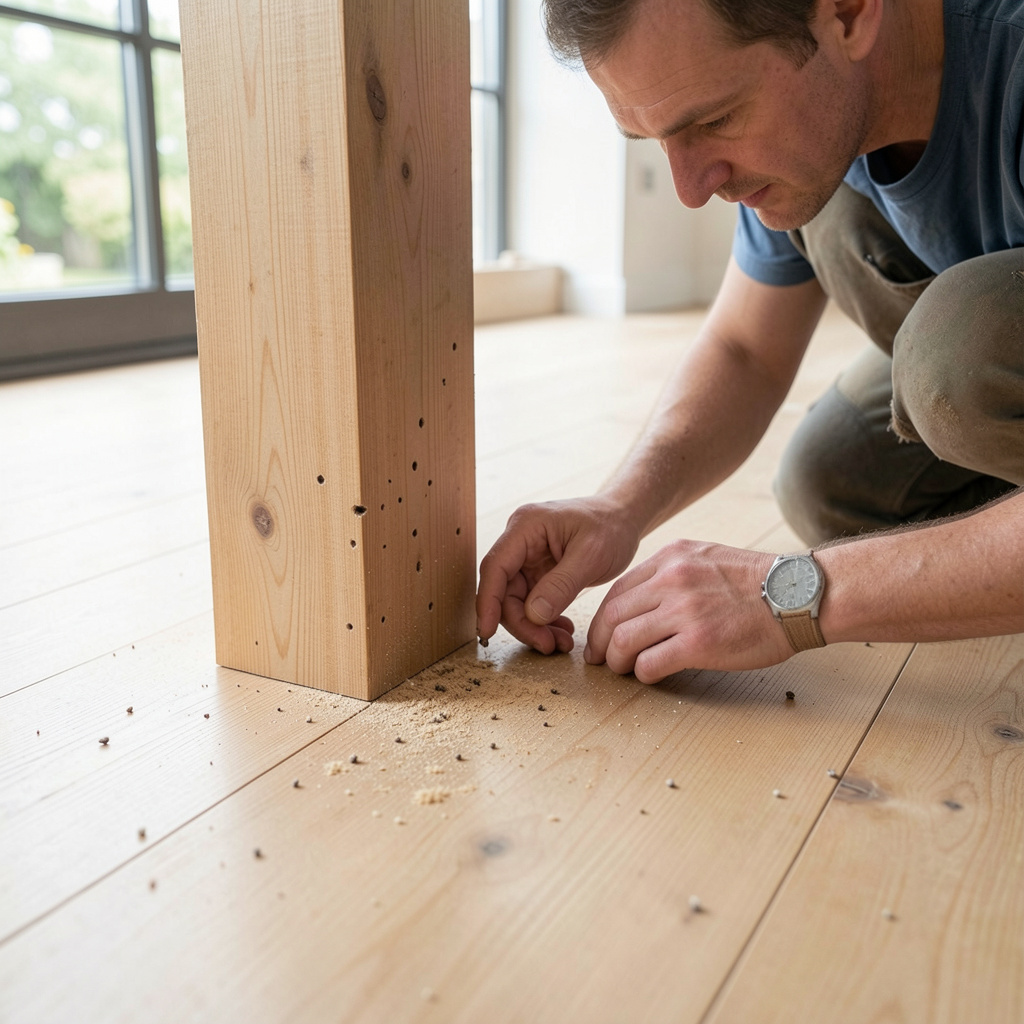
When homeowners discover woodworm, termites, or other wood-boring insects, one of the biggest questions they face is: Should I use microwave treatment or traditional pesticides? Both methods are designed to eliminate pests, but they work in very different ways and offer different advantages.
Traditional pesticide treatments have been used for decades to kill insects and protect timber. They are often affordable and widely available. However, concerns about chemical exposure, strong odors, environmental impact, and limited penetration have encouraged many homeowners to explore alternative solutions.
Microwave treatment has become one of the most advanced modern pest control methods. Instead of relying on chemicals, it uses controlled heat energy to eliminate hidden pests inside wood. This chemical-free approach has become increasingly popular, especially for homes with children, pets, or valuable timber structures.
Many homeowners exploring modern wood protection through shashel.eu/ want to know whether microwave treatment is actually better than pesticides or if traditional methods still offer advantages.
In this article, we will compare microwave treatment and pesticides in detail to help you understand which option may work best for your situation.
What Is Microwave Treatment?
Microwave treatment is a modern pest control method that uses controlled microwave energy to eliminate hidden insects inside wood.
How Microwave Treatment Works
Microwave energy heats moisture inside timber and insect bodies.
As temperatures rise, pests cannot survive.
This process destroys:
- Larvae
- Eggs
- Adult insects
Because the heat develops inside the wood, microwave treatment can target hidden infestation that may be difficult to reach with surface sprays.
Common Uses
Microwave treatment is often used for:
- Woodworm
- Beetles
- Termites
- Hidden structural infestations
It works especially well for timber-based pest problems.
What Are Pesticides?
Pesticide treatment uses chemical products to eliminate insects.
How Pesticides Work
Chemical treatments are usually applied by:
- Spraying
- Brushing
- Injection
The chemicals either kill pests directly or create conditions that prevent survival.
Pesticides are one of the oldest and most common wood protection methods.
Microwave Treatment Is Better for Hidden Infestation
One of the biggest strengths of microwave treatment is deep penetration.
Why This Matters
Woodworm and beetle larvae often live deep inside timber.
Surface treatments may struggle to reach them.
Microwave Advantage
Microwave energy penetrates wood and creates heat internally.
This allows treatment to reach pests inside:
- Roof beams
- Floor joists
- Ceiling supports
- Thick timber
For hidden infestations, microwave treatment often performs better.
Many homeowners researching timber care through shashel.eu prefer microwave treatment because it targets pests inside wood rather than only on the surface.
Microwave Treatment Is Chemical-Free
Microwave treatment does not rely on toxic chemicals.
Benefits of Chemical-Free Treatment
Advantages include:
- No strong chemical smell
- No harmful residue
- Better indoor comfort
This makes microwave treatment attractive for:
- Families with children
- Pet owners
- Allergy-sensitive households
Many homeowners feel more comfortable avoiding unnecessary chemical exposure.
Pesticides Usually Cost Less Upfront
One advantage of traditional pesticides is affordability.
Why Pesticides Cost Less
Chemical treatment generally has:
- Lower equipment costs
- Faster setup
This may appeal to homeowners with smaller budgets.
However, upfront cost is not the only factor to consider.
Long-term effectiveness matters too.
Microwave Treatment Often Works Faster
Microwave treatment usually provides immediate results.
Why It Is Fast
The internal heat quickly destroys:
- Larvae
- Eggs
- Adult insects
Many treatments are completed within:
A few hours to one day
There is often little waiting time afterward.
Pesticides May Provide Longer Surface Protection
Although microwave treatment offers strong pest elimination, pesticides have their own advantage.
Long-Term Residual Protection
Chemical preservatives may continue protecting timber after treatment.
This can help discourage future infestation.
Best Uses
Pesticides often work well for:
- Preventive care
- Mild infestation
- Surface wood protection
Some homeowners combine both approaches.
Microwave Treatment Is More Eco-Friendly
Environmental concerns are becoming more important for many homeowners.
Why Microwave Treatment Is Considered Eco-Friendly
Microwave treatment:
- Uses no toxic chemicals
- Leaves no harmful residue
This reduces environmental impact.
Many homeowners prefer sustainable pest control solutions.
Microwave Treatment May Be Better for Valuable Furniture
Antique and valuable furniture often requires extra care.
Why Microwave Treatment Helps
Because no harsh chemicals are applied:
- Wood surfaces remain protected
- Finishes stay safer
Best For
Microwave treatment works especially well for:
- Antique cabinets
- Vintage furniture
- Historic timber
Preserving original wood matters.
Microwave Treatment Often Kills Eggs More Effectively
A major challenge in pest control is eliminating insect eggs.
Why Egg Removal Matters
If eggs survive:
Infestation may return later
Microwave heat often destroys:
- Eggs
- Larvae
- Adult insects
This reduces reinfestation risk.
Pesticides Sometimes Need Repeat Treatment
Chemical treatment does not always eliminate deep hidden infestation.
Why Repeat Treatment Happens
Some larvae may survive if chemicals do not penetrate deeply enough.
As a result:
- Infestation may continue
- Repeat treatment becomes necessary
Long-term cost may increase.
Microwave Treatment Requires Professional Equipment
One downside of microwave treatment is equipment cost.
Why Professional Help Matters
Safe treatment requires:
- Heat monitoring
- Proper application
DIY microwave treatment is generally ineffective and unsafe.
Professional service improves results.
Which Treatment Is Better for Families?
Many families prefer microwave treatment because of safety concerns.
Family-Friendly Benefits
Microwave treatment offers:
- Better indoor comfort
- Reduced chemical concerns
- Minimal disruption
Families with pets and children often prefer chemical-free options.
Which Treatment Is Better for Severe Infestation?
For serious hidden infestation, microwave treatment often performs better.
Best Situations for Microwave Treatment
- Structural timber damage
- Roof beams
- Hidden larvae
Deep heat penetration improves effectiveness.
When Pesticides May Be the Better Choice
Pesticides may still work well when:
- Budget is limited
- Infestation is mild
- Preventive treatment is needed
They remain useful in many situations.
Every infestation is different.
Can Both Methods Be Combined?
Yes.
Some professionals combine treatments.
Example
Microwave treatment may eliminate active infestation while pesticides help protect timber afterward.
This approach may improve long-term protection.
Professional advice helps determine the best plan.
Common Misconceptions
Myth 1: Microwave Treatment Damages Wood
Professionally controlled systems protect timber.
Myth 2: Pesticides Always Work Better
Deep hidden larvae may survive surface chemicals.
Myth 3: Microwave Treatment Is Unsafe
Professional systems are generally considered safe.
Understanding the differences helps homeowners make better choices.
Conclusion
So, is microwave treatment better than pesticides? In many situations, yes — especially for hidden infestations, eco-friendly pest control, and homeowners seeking chemical-free protection.
Microwave treatment offers deep penetration, fast results, reduced chemical exposure, and effective elimination of larvae, eggs, and adult insects. However, pesticides still remain useful for preventive care, surface protection, and lower upfront costs.
Many homeowners researching timber protection through shashel.eu increasingly prefer microwave treatment because it combines safety, effectiveness, and long-term timber preservation.