

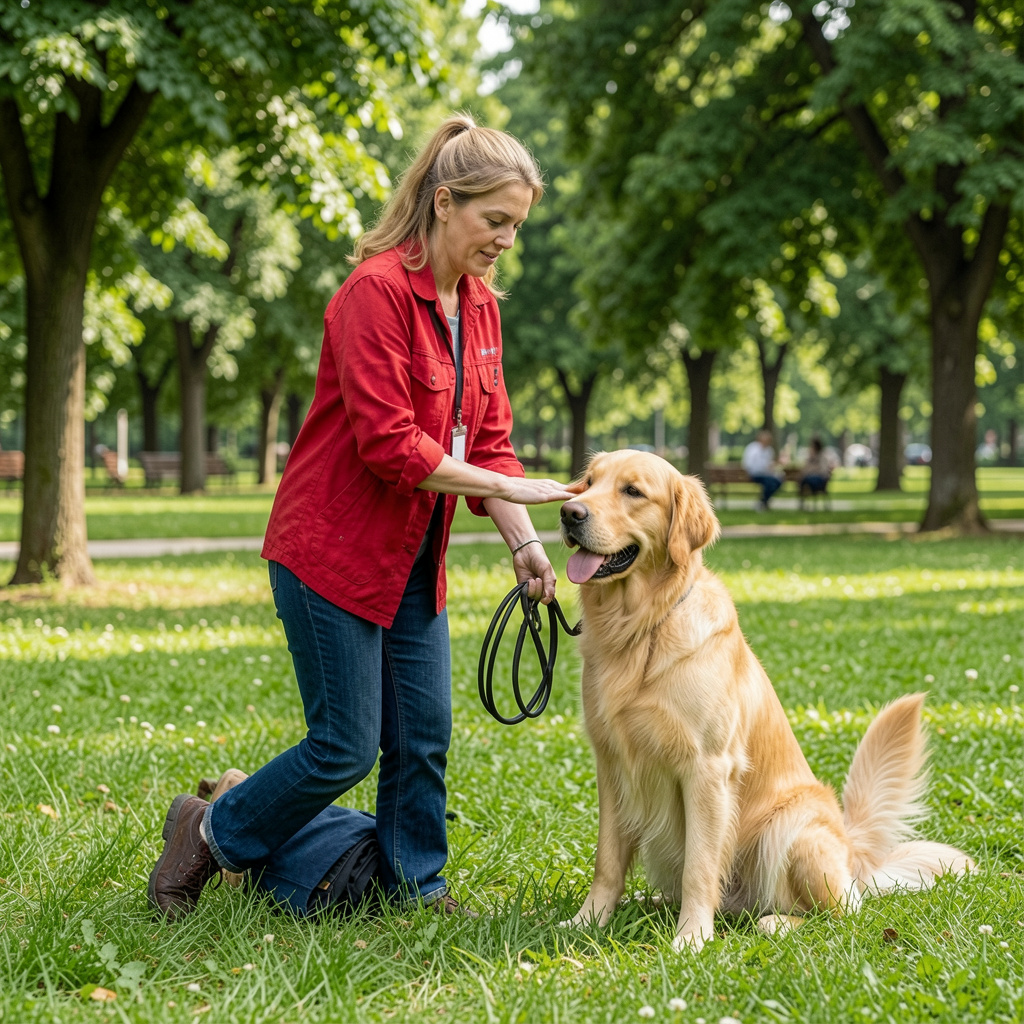
Living with a dog should be enjoyable, not stressful. Yet many families struggle with barking, jumping, pulling on the leash, ignoring commands, or difficulty settling at home. These challenges are common, but they do not have to become permanent habits. Obedience coaching for family dogs focuses on teaching practical skills that help dogs succeed in everyday situations while strengthening communication between dogs and their owners. At Rob’s Dog Training, this approach emphasizes practical, real-world learning that helps families build lasting habits together.
Unlike training that emphasizes isolated commands, obedience coaching prepares dogs to respond consistently in real-life environments. Whether greeting visitors, walking through the neighborhood, relaxing during family activities, or responding around distractions, dogs learn behaviors that fit naturally into daily life. Families also learn how to communicate clearly, reinforce good choices, and maintain progress long after formal training sessions have ended.
Why Family Dogs Need More Than Basic Commands
Many owners believe training ends once a dog can sit, stay, or come when called in a quiet environment. While these foundational skills matter, everyday life introduces distractions, excitement, and unexpected situations that make consistent behavior more difficult.
Children playing in the yard, guests arriving at the front door, neighborhood walks, and trips to public places all challenge a dog’s ability to stay focused. Effective obedience coaching teaches dogs to apply learned behaviors regardless of changing surroundings.
This broader approach develops:
- Better impulse control
- Reliable responses around distractions
- Improved confidence
- Calm household behavior
- Stronger communication between dogs and owners
These skills create lasting improvements because dogs learn not only what to do but also when and why those behaviors are rewarded.
How Dogs Learn Through Consistency
Dogs learn through repetition, clear communication, and predictable outcomes. Every interaction either strengthens or weakens a behavior.
When family members respond differently to the same behavior, dogs receive mixed messages. One person may allow jumping while another discourages it. One family member may reward barking with attention while someone else ignores it.
Obedience coaching helps families establish consistent expectations by teaching everyone to use similar cues, timing, and rewards.
Consistency includes:
- Using the same verbal commands
- Rewarding desired behaviors immediately
- Preventing unwanted habits from being reinforced
- Practicing regularly in different environments
- Remaining patient during the learning process
Dogs thrive when expectations remain clear and predictable.
Obedience Coaching for Family Dogs Builds Everyday Confidence
Confidence plays an important role in behavior. Dogs that understand what is expected often experience less frustration and uncertainty during daily routines.
Common confidence-building exercises include:
- Walking politely on a loose leash
- Waiting calmly at doors
- Greeting visitors without jumping
- Remaining relaxed during grooming
- Settling quietly while the family eats
- Responding to recall commands outdoors
Each successful experience reinforces positive habits while helping dogs become more comfortable in different situations.
Confident dogs are generally easier to manage because they understand how to respond instead of reacting impulsively.
Teaching Calm Behavior Inside the Home
Home should be a place where both people and dogs can relax. However, many unwanted behaviors develop indoors because dogs spend much of their time there.
Common household challenges include:
- Excessive barking
- Counter surfing
- Chewing furniture
- Chasing children
- Begging during meals
- Door rushing
- Constant attention-seeking
Rather than simply stopping these behaviors, obedience coaching replaces them with appropriate alternatives.
Developing Better Communication
One of the greatest benefits of obedience coaching is improved communication.
Dogs naturally observe body language, voice tone, timing, and routines. Families who understand how dogs process information can communicate far more effectively.
Clear communication includes:
- Giving commands only once
- Avoiding unnecessary repetition
- Rewarding quickly
- Maintaining calm body language
- Setting realistic expectations
When communication improves, frustration decreases for both dogs and owners.
Positive Reinforcement Encourages Reliable Learning
Modern obedience coaching often relies on positive reinforcement because it encourages dogs to repeat successful behaviors.
Rewards may include:
- Food treats
- Toys
- Praise
- Play
- Access to favorite activities
Positive reinforcement helps dogs associate desirable behaviors with pleasant outcomes.
Research in animal learning consistently demonstrates that rewarded behaviors become more likely to occur again. This creates an enjoyable learning experience while strengthening trust between dogs and their families.
Why Practice in Different Locations Matters
Many dogs perform well inside the house but struggle outdoors.
This happens because dogs do not automatically generalize learning across environments. A command mastered in the living room may feel completely different at a busy park.
Effective coaching gradually introduces distractions through controlled practice.
Training often progresses through stages:
- Quiet indoor practice
- Backyard sessions
- Neighborhood walks
- Public parks
- Pet-friendly stores
- Busy environments
Gradually increasing difficulty allows dogs to build confidence without becoming overwhelmed.
Helping Puppies and Adult Dogs Succeed
Owners sometimes assume that only puppies benefit from obedience coaching. In reality, dogs of nearly any age can learn new behaviors.
Puppies benefit from:
- Early socialization
- Basic manners
- Confidence building
- Household routines
- Bite inhibition
- Leash introduction
Adult dogs benefit from:
- Correcting unwanted habits
- Improving reliability
- Learning advanced obedience
- Better focus around distractions
- Increased mental stimulation
Older dogs often learn quickly because they already understand household routines and can focus more consistently.
Mental Exercise Is Just as Important as Physical Exercise
Daily walks provide valuable physical activity, but mental stimulation is equally important.
Obedience coaching encourages dogs to think, solve problems, and remain engaged during training sessions.
Mental activities may include:
- Learning new commands
- Recall games
- Nose work
- Puzzle toys
- Place training
- Impulse control exercises
Short training sessions throughout the day often tire dogs more effectively than long periods of physical exercise alone.
Mentally engaged dogs frequently display fewer boredom-related behaviors such as destructive chewing or excessive barking.
The Family’s Role in Long-Term Success
Professional coaching provides guidance, but lasting results depend on daily practice.
Families who remain involved generally see stronger long-term improvements because dogs continue practicing desired behaviors during normal routines.
Successful families often:
- Practice for 10–15 minutes daily
- Reinforce good behavior consistently
- Maintain household rules
- Introduce gradual distractions
- Celebrate progress
- Remain patient during setbacks
Training becomes part of everyday life rather than a separate activity.
Addressing Common Behavior Challenges
Many behavior problems improve when dogs understand expectations and develop stronger self-control.
Obedience coaching frequently addresses:
Leash Pulling
Dogs learn to walk with their handler rather than pulling toward every distraction.
Jumping on Visitors
Dogs practice calm greetings that encourage polite interactions.
Poor Recall
Reliable recall improves safety during outdoor activities.
Excessive Barking
Dogs learn alternative behaviors while owners identify the situations that trigger vocalization.
Door Manners
Waiting calmly before exiting helps reduce rushing and improves overall control.
Household Excitement
Structured routines help dogs settle more quickly after exciting events.
Setting Realistic Expectations
Every dog learns at an individual pace.
Factors that influence learning include:
- Age
- Previous experiences
- Breed tendencies
- Training history
- Environment
- Consistency at home
Progress rarely follows a perfectly straight path. Dogs often improve steadily while occasionally revisiting earlier challenges.
Patience allows learning to become permanent rather than temporary.
Creating Training Habits That Fit Daily Life
Busy families often worry they lack time for consistent practice.
Fortunately, training can become part of existing routines instead of requiring lengthy sessions.
Examples include:
- Asking for a sit before meals
- Practicing stays while preparing dinner
- Reinforcing loose-leash walking during neighborhood walks
- Waiting politely before entering the car
- Rewarding calm behavior while watching television
These everyday opportunities provide frequent reinforcement without adding significant time commitments.
Why Relationship-Based Training Produces Lasting Results
Dogs learn best when they trust the people guiding them.
Relationship-based coaching emphasizes cooperation rather than intimidation. Dogs willingly participate because they understand expectations and experience consistent, positive outcomes.
This approach encourages:
- Trust
- Confidence
- Reliable communication
- Reduced stress
- Better emotional regulation
Strong relationships make obedience more reliable because dogs naturally pay attention to handlers they trust.
Avoiding Common Training Mistakes
Many owners unintentionally slow progress by making small but common mistakes.
These include:
- Expecting immediate perfection
- Practicing only indoors
- Inconsistent household rules
- Accidentally rewarding unwanted behavior
- Training only during formal sessions
- Ending practice after mistakes instead of successes
Recognizing these habits helps families create more effective learning experiences.
Measuring Progress Beyond Commands
Success is not measured only by the number of commands a dog knows.
Meaningful progress includes:
- Faster recovery from distractions
- Improved self-control
- Better focus around people
- Relaxed household behavior
- Greater confidence in unfamiliar settings
- Increased responsiveness during everyday activities
These practical improvements have the greatest impact on family life.
Final Thoughts
Successful obedience coaching for family dogs creates more than well-trained pets. It builds clear communication, strengthens trust, and helps dogs develop behaviors that fit naturally into everyday family routines. By combining consistency, positive reinforcement, gradual exposure to distractions, and ongoing practice, families can encourage reliable behavior that lasts well beyond formal training sessions. Whether working with a young puppy or an older companion, thoughtful coaching helps create a calmer home, safer interactions, and a stronger lifelong bond.
For families seeking professional guidance, Rob’s Dog Training provides personalized coaching designed to help dogs and owners succeed together through practical, relationship-focused training.